

Getting Started: Organizing Your Homeschool Journey with Time Management Strategies
Starting a homeschool journey can feel overwhelming. I remember those early days when I wasn’t sure where to begin or how to keep everything running smoothly. But with a little planning and some gentle time management strategies, it became a joyful and manageable adventure. If you’re ready to take that first step, I’m here to walk you through some practical tips to help you feel confident and organized without added stress.
Why Time Management Strategies Matter in Homeschooling
Homeschooling is a beautiful gift, but it also comes with many responsibilities. Managing your time well can make all the difference between feeling frazzled and feeling in control. When you have a plan, you can focus on what matters most - your child’s learning and your family’s well-being.
Here are some reasons why time management strategies are essential:
Reduce stress by knowing what to expect each day.
Create a balanced routine that includes learning, play, and rest.
Make room for flexibility when life throws unexpected curveballs.
Help your child develop good habits by modeling organization and consistency.
I found that even simple tools like a daily checklist or a weekly planner helped me stay on track. You don’t need to overhaul your life overnight. Small, steady steps work wonders.

Setting Up Your Homeschool Space for Success
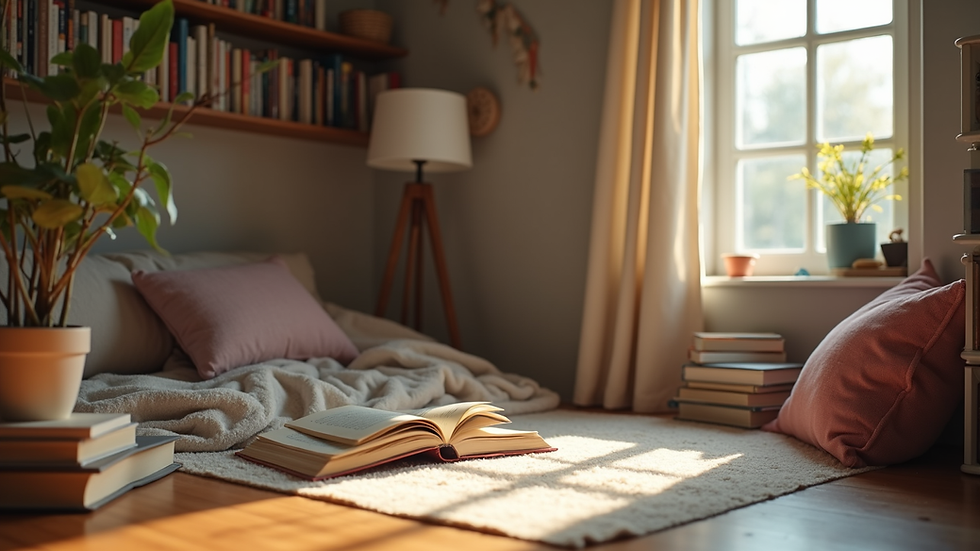
One of the first things I did was create a dedicated learning space. It doesn’t have to be a whole room. A cozy corner with good lighting and minimal distractions can work beautifully. Having a specific spot signals to your child that it’s time to focus.
Here are some tips for setting up your homeschool space:
Choose a quiet area with natural light if possible.
Keep supplies like pencils, paper, and books within easy reach.
Use storage bins or shelves to keep materials organized.
Add a comfortable chair and a sturdy table or desk.
Personalize the space with inspiring posters or your child’s artwork.
Remember, this space should feel inviting and calm. It’s okay if it’s not perfect. The goal is to create an environment that supports learning and creativity.
How many hours of homeschooling should kids get per day?
This question comes up a lot, and honestly, the answer varies depending on your child’s age, learning style, and your family’s rhythm. The good news is that homeschooling doesn’t have to mimic a traditional school day.
Here’s a general guideline to help you plan:
Preschool to Kindergarten: 1 to 2 hours of focused learning, spread throughout the day.
Elementary (Grades 1-5): 2 to 4 hours, including breaks and hands-on activities.
Middle School (Grades 6-8): 3 to 5 hours, with more independent work.
High School (Grades 9-12): 4 to 6 hours, depending on course load and extracurriculars.
Keep in mind that learning happens beyond textbooks. Field trips, nature walks, and everyday conversations count too. If your child is struggling to focus, shorter sessions with frequent breaks can help.
Try to observe your child’s natural attention span and energy levels. Some days will be longer, some shorter, and that’s perfectly okay. Flexibility is one of the greatest advantages of homeschooling.
Practical Tips for Getting Organized for Homeschool
One of the best ways to ease into homeschooling is by getting organized for homeschool. Organization doesn’t mean rigid schedules or endless to-do lists. It means having a system that works for you and your family.
Here are some practical steps to get started:
Create a master schedule: Outline your week with blocks for subjects, breaks, meals, and free time.
Use checklists: Daily or weekly checklists help track what’s been done and what’s next.
Plan lessons ahead: Spend a little time each week preparing materials and activities.
Keep records: Maintain a simple log of completed work, attendance, and progress.
Set goals: Define clear, achievable goals for your child and celebrate milestones.
Involve your child: Let them help choose activities or organize their materials.
By having these systems in place, you’ll find it easier to stay consistent and motivated. Plus, it frees up mental space so you can enjoy the journey more.

Balancing Homeschooling with Everyday Life
Balancing homeschooling with household chores, errands, and self-care can feel like a juggling act. I’ve been there, wondering how to fit it all in without burning out. The key is to prioritize and be kind to yourself.
Here are some ideas that helped me:
Batch similar tasks: Group errands or chores to save time.
Use timers: Set a timer for focused work and breaks to keep everyone on track.
Delegate: If possible, share responsibilities with your partner or older children.
Schedule downtime: Make sure you and your kids have time to relax and recharge.
Stay connected: Join local or online homeschool groups for support and ideas.
Remember, homeschooling is a marathon, not a sprint. It’s okay to adjust your plans and ask for help when needed. Your well-being matters just as much as your child’s education.
Embracing Flexibility and Growth
Starting your homeschool journey is just the beginning. As you settle into a routine, you’ll discover what works best for your family. Some days will be smooth, others challenging. That’s part of the process.
Keep these thoughts in mind:
Be patient with yourself and your child.
Celebrate small victories.
Stay open to trying new methods or resources.
Reflect regularly on your goals and progress.
Remember why you chose homeschooling in the first place.
With time, you’ll build a rhythm that feels natural and fulfilling. You’re not alone on this path, and every step forward is a success.
I hope these tips bring you a little peace and confidence as you begin organizing your homeschool journey. Remember, it’s about progress, not perfection. You’ve got this!
Comments